
Order Formation

Communication spaces do not emerge on their own. They are shaped—by law, technology, social practices, economic interests, and institutional decisions. The “Order Formation” research group examines how rules emerge in such communication spaces, who is involved in shaping them, and how responsibility, power, and legitimacy are distributed.

The starting point is the observation that communication today takes place within complex ecosystems. Platforms set rules for content and behavior. Governments establish legal frameworks. Users develop their own practices. Companies design technical infrastructures. Civil society, academia, and the media play a role in monitoring, critiquing, and shaping these spaces.

The research group asks how order emerges from this interplay—and how this order can be aligned with democratic values, fundamental rights, and the common good.

In doing so, it combines three perspectives.

  • First, it focuses on structures: What legal, technical, and social frameworks shape communication spaces?
  • Second, it focuses on processes: How do rules emerge, how are they enforced, and how do they change?
  • Third, it concerns actors: Who makes decisions, who is affected, who bears responsibility, and who holds power?

These questions are examined at the national, European, and global levels. A key focus is on European platform regulation, particularly the Digital Services Act and the Digital Markets Act.

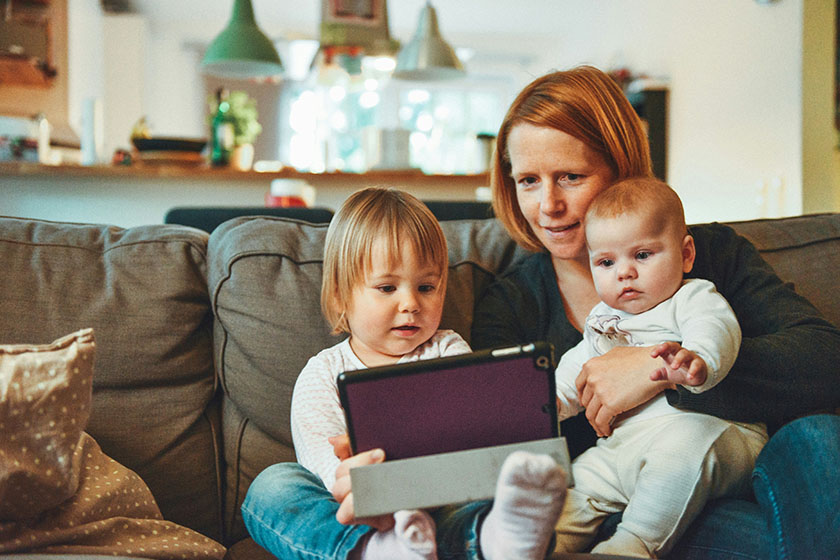
Photo by Sasun Bughdaryan/Unsplash
Overview

Leaders

Last update: 24.09.2026

Blog Articles, News, Projects, Publications, Podcast Episodes

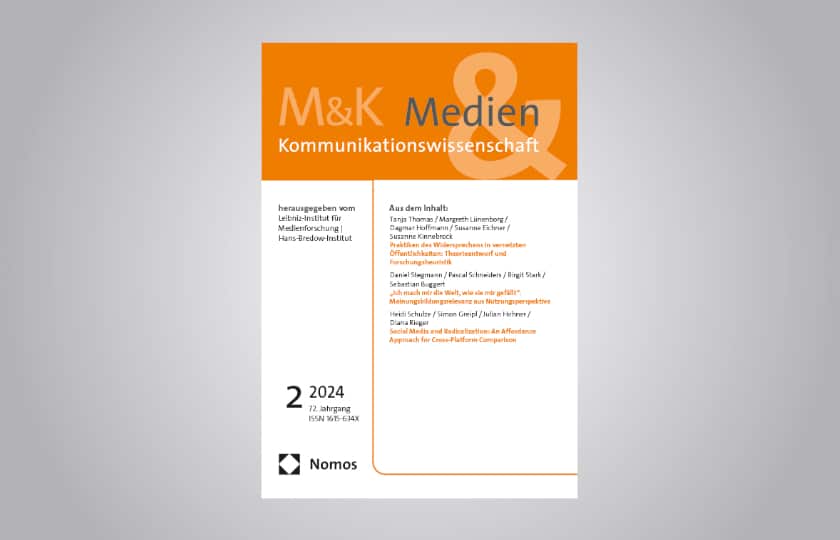
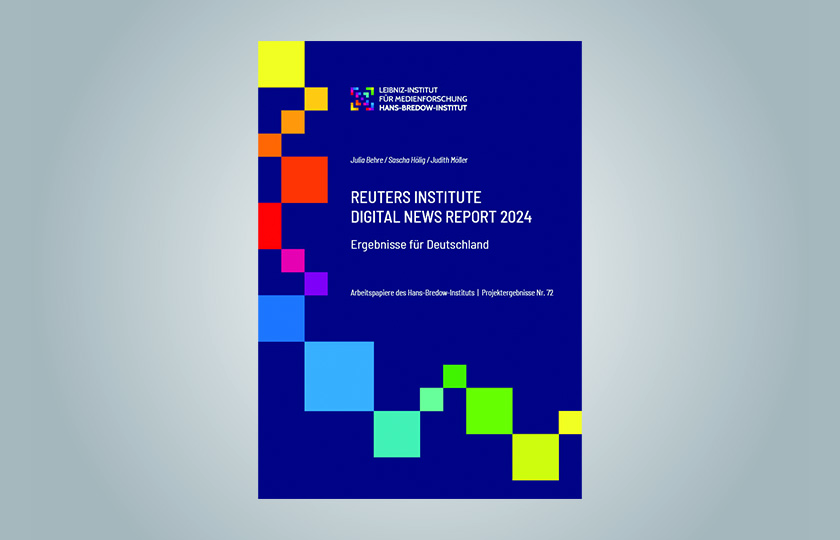
Cover des Arbeitspapiers Reuters Report
Report available for download

Reuters Institute Digital News Report 2024

Surveys were conducted simultaneously in 47 countries in an international comparison to identify general trends as well as national peculiarities.

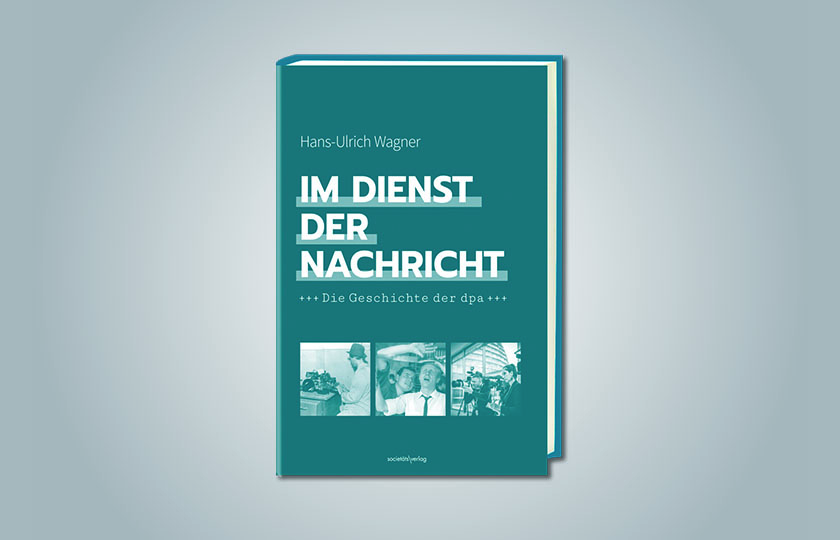
Cover of the book about the history of the dpa
The History of the dpa

In the Service of the News

To mark the 75th anniversary of the German Press Agency (dpa), media historian Hans-Ulrich Wagner has published the first comprehensive history of the dpa.

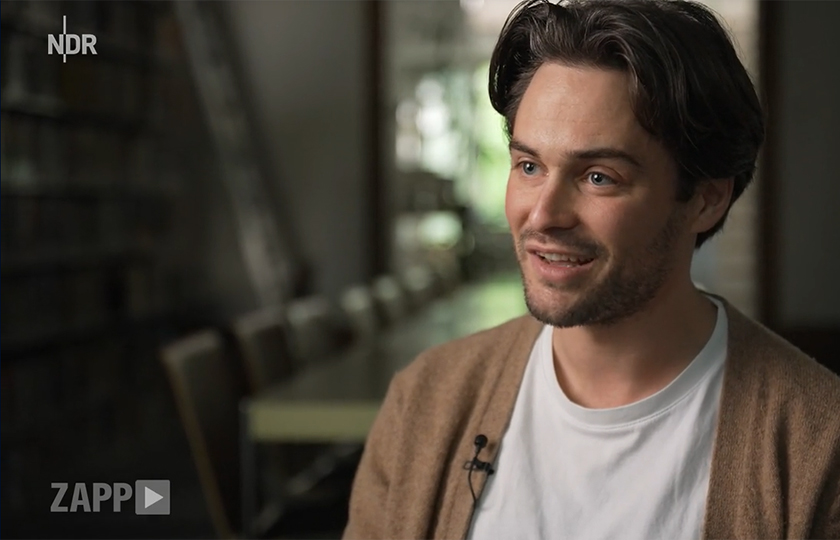
Screenshot aus ZAPP-Bericht: Tobias Mast im Interview vor dunklem Hintergrund
Interview in the Media Magazine ZAPP

AfD Attack on Public Service Broadcasting

What would be the consequences if AfD politician Björn Höcke were to cancel the MDR state broadcasting contract as Minister President? The media magazine ZAPP asked media law expert Dr. Tobias Mast.

Matthias C. Kettemann
Interview in the Leibniz Magazine

Divided America

How come the social divides in the USA are even deeper than in Germany? Matthias C. Kettemann blames access to information, among other things, for this in an interview (in German) in the Leibniz Magazine of the Leibniz Association.

Auf der Couch sitzende Mutter guckt mit Baby und Kleinkind auf ein Tablett
DFG Co-operation Project

Connected Kids: Socialisation in a Changing Media Environment

Children and young people use media to establish their position within their respective social groups and contexts. The role their media repertoires and communicative practices play in this and how these change over time is being examined in a qualitative longitudinal study with colleagues from the FAU Erlangen-Nuremberg.

ein weißes Blatt Papier hängt mit einer Klammer an der Leine
Submission until 15 July

Call for Papers: Transmedia Conference 2025

How can "transmedia" history be implemented from a theoretical and empirical perspective? The international conference "“Transmedia History: Circulations, Reconfigurations and New Methodologies" invites submissions.

Gruppenfoto der Teilnehmenden aus Brasilien, Deutschland und Indien
Summer School in Delhi

Summer School about AI Regulation

33 students from Brazil, Germany (Universität Hamburg) and India took part in the NoC Summer School in New Delhi at the National Law University Delhi on the topic "Beyond Digital India Act, Marco Civil and DSA".

Hand eines Erwachsenen und eine Babyhand tippen auf Laptoptastatur
Compatibility of Family and Career

Certificate for Family Friendliness

On 31 May 2024, the Leibniz Institute for Media Research was awarded the "audit berufundfamilie" certificate, the quality seal for a “family and life-phase-conscious personnel policy".

Matthias C. Kettemann
Ethics in Quantum Science

Matthias C. Kettemann in World Commission on the Ethics of Scientific Knowledge and Technology

The Secretary-General of the UN Educational, Scientific and Cultural Organization UNESCO has appointed Prof. Matthias C. Kettemann, head of an HBI research programme, on the World Commission on the Ethics of Scientific Knowledge and Technology (COMEST).

Anna von Garmissen
Study Findings in a Podcast

How is Journalism Doing in Germany?

In the podcast "Satzzeichen", Anna von Garmissen talks about how journalism is doing in Germany and the findings of a recent study.

Illustration: Mann sitzt an einem Schreibtisch vor einem Laptop und winkt.
Study Findings in a Video

What Is the State of Journalism in Germany?

The average German journalist is male, 45.3 years old, has an academic degree and often feels stressed. The results of our latest journalist survey are now summarized in a video on YouTube.

1 … 19 20 21 22 23 … 43

Page 21 from 43

Newsletter

Information about current projects, events and publications of the institute.

Subscribe now