Growing Up in Digital Media Environments

How are the advancing digitalisation and deep mediatisation changing the way children and young people grow up? What role do social media, online platforms, and artificial intelligence play in identity development, education and social participation? And how can safe online spaces in which young people gain experiences be designed for young people?

The Research Area “Growing Up in Digital Media Environments” investigates how young people use digital and AI-powered media in their everyday lives, what opportunities and risks arise from this use, how they cope with the challenges of the digital world, and what implications this has for media education, children’s rights, and the protection of children and young people in digital media environments. A key characteristic of the research group is its interdisciplinary approach that brings together perspectives from communication studies, the social sciences and legal studies.

The research group pays particular attention to the changes brought about by data-driven systems and artificial intelligence and their implications for growing up in increasingly digitalised societies. In the Youth Lab (Y-Lab), it works together with children and young people in a participatory way: together, they explore new technologies and analyse experiences, expectations and patterns of use. Combined with established research methods, this approach provides a deeper understanding of the significance of digital media and AI-powered technologies for young people.

The planned Observatory for Young People in Digitised Societies will be designed to establish a long-term framework for research and monitoring, enabling the analysis of digital transformation and their consequences for young people. It draws together interdisciplinary findings from relevant studies and projects, including the group’s own research, identifies emerging developments and trends, and provides scientifically grounded knowledge for policymakers and society, supporting the further development of media education and the protection of children and young people in digital media environments.

Research group leaders: Dr. Stephan Dreyer and Dr. Claudia Lampert

Overview

Last update: 16.09.2026

Blog Articles, News, Projects, Publications, Podcast Episodes

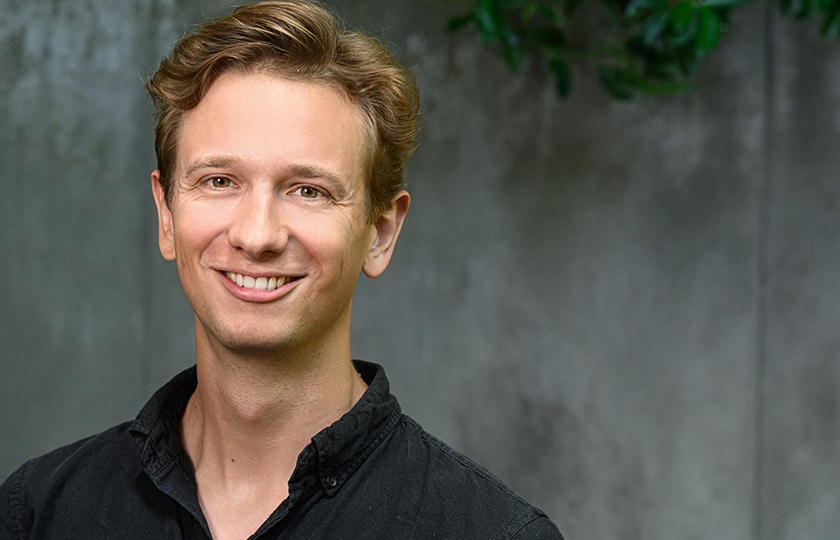
Portrait Christian Ollig vor lichtdurchfluteten Glasscheiben
Congratulations!

Christian Ollig Wins German Study Prize

Christian Ollig receives the first prize of €25,000 in the Humanities and Cultural Sciences section of the Körber Foundation's 2025 German Study Prize. In his doctoral thesis on media law, written at the Universität Hamburg and the HBI, he used the EU's Digital Services Act to examine how people can enforce their fundamental rights, such as freedom of expression, on online platforms.

Logo der Plattform Bluesky: ein stilisierter blauer Schmetterling auf weißem Grund
Social Media Presence

Now also on Bluesky!

You can now find us on Bluesky at bredowinstitut.bsky.social. We like Bluesky because it is based on a decentralized protocol, which enables a federated architecture. Many of our friends and stakeholders are already on Bluesky, and the platform is growing. We would love to see you on Bluesky and connect with you there!

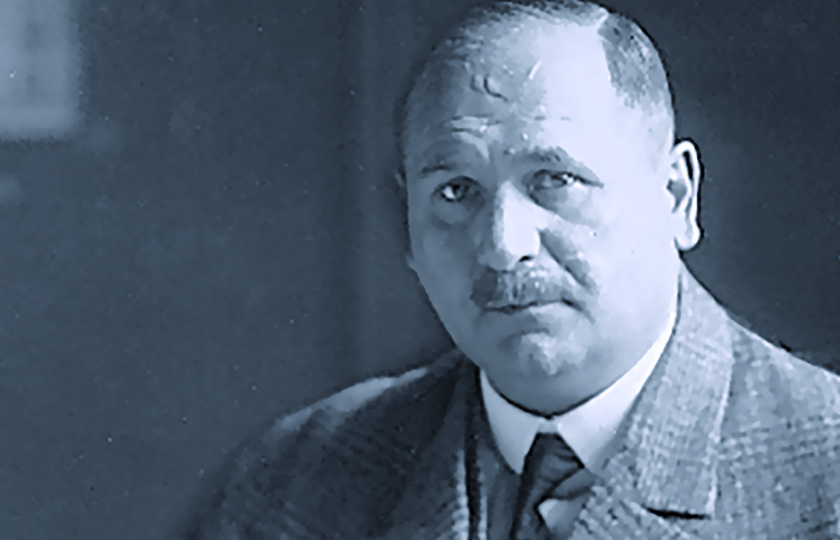
SW Portrait von Hans-Bredow
HBI75: Bredow in the “Broadcasting Trial”

How the press reported on Hans Bredow during the 1934/35 Radio Trial

Research by Clara Schütze and Hans-Ulrich Wagner in the digital archives of the German newspaper portal shows how quickly Hans Bredow’s image shifted from that of the “father” to the “unfit father” of broadcasting during the so-called Broadcasting Trial, which was brought against him in 1934/35.

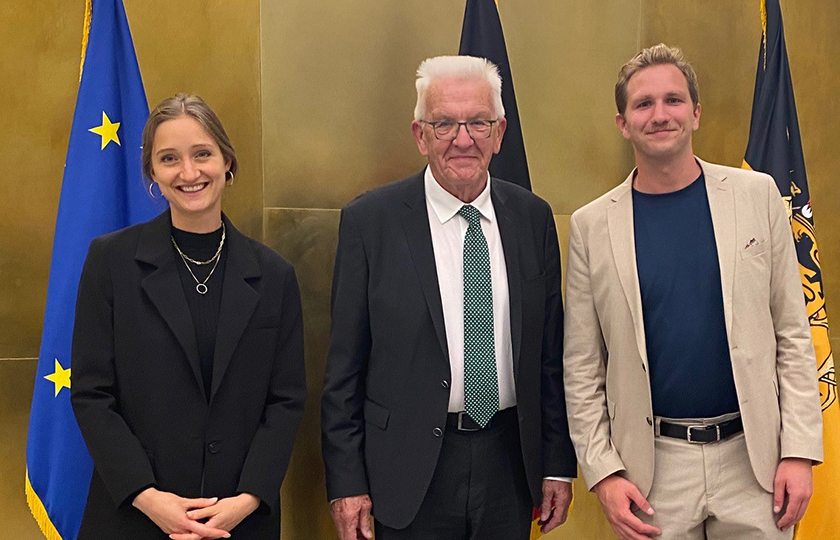
Leonie Alatassi, Ministerpräsident Winfried Kretschmann und Kilian Hampel vor goldener Wand mit Europaflagge
Cabinet Evening on Youth Communication

Leonie Alatassi at the State Chancellery of Baden-Württemberg

Dr. Leonie Alatassi (née Wunderlich) gave the keynote speech at the cabinet evening on youth communication in the State Chancellery of Baden-Württemberg on July 21, 2025, in the presence of Minister President Winfried Kretschmann.

Screenshot der ersten "Seite" des Artikels auf dem Verfassungsblog
Article on Verfassungsblog

DSA Enforcement by the EU Commission

The problematic role of the European Commission in enforcing the Digital Services Act (DSA) and possible alternatives are the focus of a blog post published by Jan-Ole Harfst, Dr. Tobias Mast, and Prof. Dr. Wolfgang Schulz on 16 July 2025 on the Verfassungblog.

Cover der Zeitschrift
Recently Published

Community Data Trust for Sensitive Data

Jan Rau, Moritz Fürneisen, and Gregor Wiedemann co-developed the concept of community data stewardship to facilitate the collaborative creation and utilization of sensitive data in communication science. By using the example of research into right-wing extremist online communication, they demonstrate how community data stewardship can be structured.

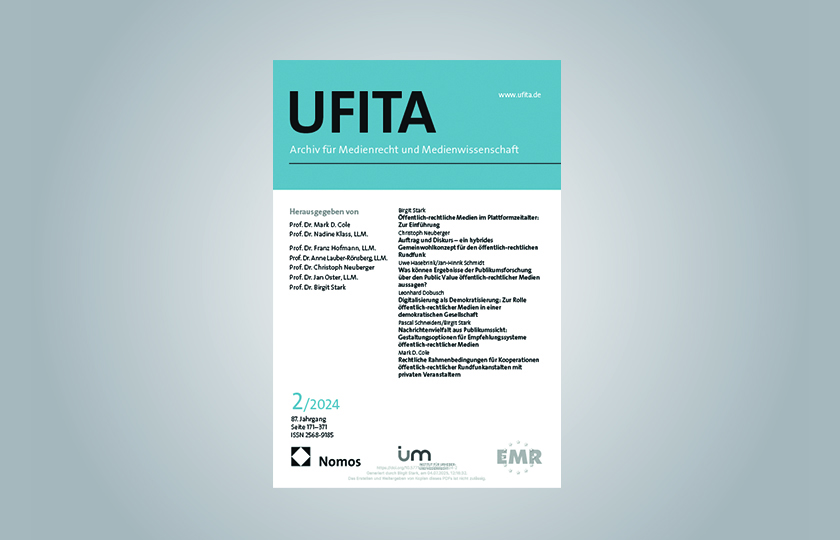
Cover der Zeitschrift UFITA
Recently Published

On the Public Value of Public Service Media

"What Can Audience Research findings tell us about the public value of public service media?" This question explored by Prof. Dr. Uwe Hasebrink and PD Dr. Jan-Hinrik Schmidt, who published their insights in the issue 2/2024 of the journal UFITA.

Portrait Christian Ollig
Fingers crossed!

Christian Ollig Nominated for German Study Prize

As one of 31 doctoral graduates from 687 submissions, Dr. Christian Ollig has been nominated for the German Study Prize awarded by the Körber Foundation. On 2 July 2025, he presented his work in the final round in Berlin.

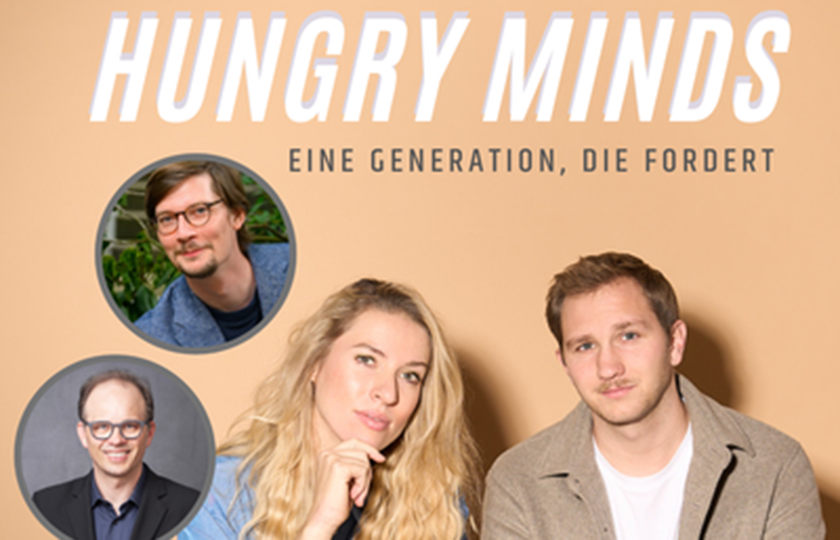
Logo des Podcasts Hungry Minds mit Bildern der beiden Gastgebern und der beiden Gäste
Guest on the Podcast “Hungry Minds”

Climate-Unfriendly Communication on Social Media

Philipp Kessling and Fiete Stegers were guests on the podcast “Hungry Minds. ” They talked with Ronja Ebeling about disinformation narratives in climate discourse on social media, the findings of the NOTORIOUS longitudinal study, “Destructive Discourses,” and whether Elon Musk's takeover of Twitter will affect the spread of climate-related misinformation on the platform.

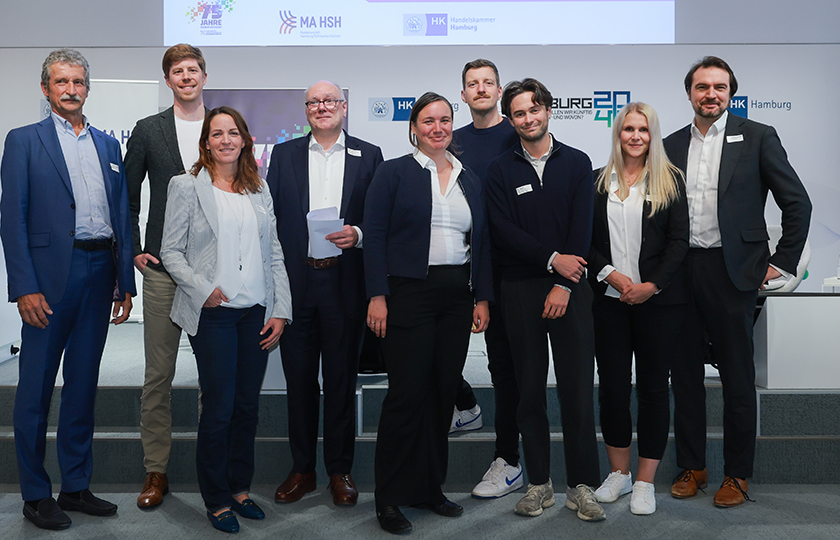
Gruppenfoto Veranstaltungsteilnehmer*innen
15th Hamburg Media Symposium Available Online

From European Concert to Brussels’ Solo?

Regulatory complexity in Europe has reached its limits. A new, coherent, and sustainable legal framework is needed that protects diversity, enables innovation, and ensures democratic public discourse. TIDE's recording of the 15th Hamburg Media Symposium is now online.

Cover of the journal New Media & Society
Open Access Publication

Personal Preferences When Searching for Political Information

Lisa Merten and five co-authors researched how personality traits and attitudes affect the search for political information. Their article has now been published open access in the journal New Media & Society.

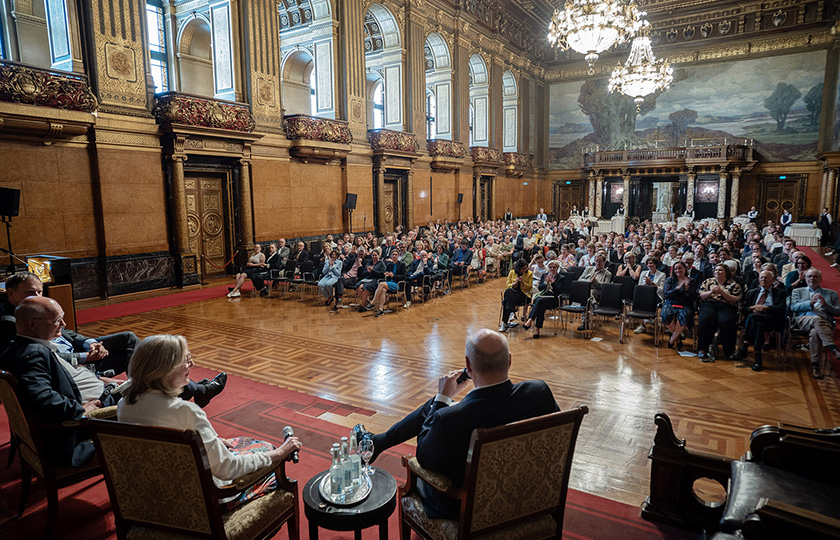
Blick von der Bühne im Festsaal des Hamburger Rathauses auf zahlreiches Publikum
HBI75 Event Review

We Celebrate 75 Years of Media Research!

With numerous guests from the fields of science, politics, culture, and media, we celebrated the 75th anniversary of the Hans-Bredow-Institut (HBI) on June 17 and 18, 2025. Since 1950, the institute has been researching the development of media communication and its impact on society – in an interdisciplinary, practice-oriented manner and considering the democratic foundations of public communication.

1 … 10 11 12 13 14 … 43

Page 12 from 43

Newsletter

Information about current projects, events and publications of the institute.

Subscribe now